



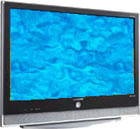

How To Set-up an HDTV
Continued from page 1
Follow the instructions that come with the mounting unit. In general, to support the weight of the TV, it will require mounting to studs in the wall. If the studs are not in the right position for precise positioning on the wall, you can open the wall and add bracing.
Another consideration is what to do with the wires. At the very least, you will have a power cord and a HDMI cable. You can just let them hang done, paint them to match the wall color, install a chaseway to hide them or run them through the wall. Running them through the wall is the most elegant option and pretty easy too.
How To Run the Wiring Through the Wall
If you want to run the wiring through the wall and the wires will go straight down and back out to connect to your other home theater equipment, the project is very simple. Purchase two low voltage mounting plates. Use the plate as a template to trace the inside edge of the mounting plate onto the wall. Position the mounting plate in a position that will be accessible and hidden behind the television. Do the same thing again, but directly below the first hole. Place the bottom hole at the same height as the electrical outlets in the room or at a convenient height for your purposes.
With the outlines on the wall, use a razor knife to cut through the first layer of the drywall. This will help prevent tearing the paper layer. Next, carefully push a drywall saw through the wall board and saw along the lines to complete the opening. Follow the instructions that come with your low-voltage mounting plate and install it in place. You will need a decorative cover plate. It will require a hole large enough to allow the cables and their plugs to fit through. Run the cables through the cover plate and into the upper hole. As you feed the cable into the hole, fish the cables from the lower hole.
Where Do All the Wires Go?
Wiring can get pretty confusing, so it helps to keep the basics in mind. All you are trying to do is get the picture from the source, to the TV. For the sound, all you are doing is routing the audio from the source, to the TV or the AV receiver.
Connecting the video means connecting the source - an antenna, satellite set-top box, cable box, converter box or DVD player - to the TV. This connection may go straight from the source to the TV or it can go through your AV receiver. You can connect it with HDMI, DVI, component, S-video or composite cables (ranked from best to worst). Always use the best connection type you have available to ensure the best picture quality.
An important point about getting a high-definition picture, you must use the proper cables or you won't get a high-definition picture. HDMI, DVI and component cables are the only cables that deliver an HD signal.


