



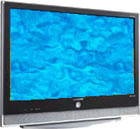

How To Set-up an HDTV
How Do I Set up my New HDTV?
Okay, you just got a new HDTV, so now what? How do you set it up? There is more to it than just finding a good spot for the TV and plugging it in. It can become pretty daunting when you have all the equipment, wires and manuals spread out on the floor. Whether you are just setting up a new LCD or Plasma screen TV, or a Home Theater system, we can help you get it done.
There are several things to consider for your new set up. For instance, if you are connecting more than just an antenna to the TV, should you use an AV Receiver to centralize control? Another reason to go with an AV Receiver is to get the sound experience that matches the great new picture. We also can help you with things like how to connect everything together and even how to run wires through walls to avoid messy wiring.
The Best Sound Comes From an AV System
First off - sound. Your HDTV may have great speakers, but if you want the best Home Theater experience, you may never use them again. You'll have a great picture on your enormous new HDTV screen, but to match that with great sound you will need surround sound speakers and AV receiver. Ideally, purchase a receiver that has video inputs and outputs as well as the usual sound connections. That way you can connect everything to your nerve center (we mean the AV receiver) and have only one wire running to the TV. This is much, much better than connecting your DVD player and your satellite or cable box and your VCR to your TV, each with their own set of cables.
You will want at least a 5.1 system. That consists of a left and right front speaker, a center speaker, left and right rear surround speakers (the 5) and a bass module speaker (the .1). Selecting more speakers may yield and even better experience, but not as big a difference as a 5.1 gives you over using just the built in TV speakers.
Where to Put the TV & Mounting a Flat Panel on the Wall
First, where should it go? Choose a position in the room that places the screen a minimum average of five feet away from the viewers. This would be appropriate for a 42" TV. The larger the screen, the farther back you should be from the screen. Ten to twelve feet is about as far away as you would want, unless you have a monster size screen or are using a projection TV.
If you want to mount a flat panel TV on the wall, that is a great way to free up some space. Lets consider some details first though. Don't place the TV too high up on the wall. People tend to hang the TV like it is a painting. That is not a good height for viewing. It forces you to crane your neck and places you at an angle that reduces the picture view quality. Mount the screen so that the middle of the screen is roughly at eye height when seated. A little higher is fine, but don't turn it into a wall hanging.
Next, choose a wall mount unit. Some allow you to fasten the screen to the wall, but allow only minimal adjustment, such as up and down tilt. Other units allow much greater flexibility, including mounting on an arm that allows the screen to be pulled away from the wall and turned to face various viewing locations. [Continued...]
Page 1 of 3


