




About the Video Card or Graphics Adapter
The graphics adapter card (a.k.a. video adapter) takes information from the CPU and performs calculations to determine the color for each pixel to be displayed and then outputs the data to the display screen.
The graphics adapter plugs into a slot on the motherboard or is incorporated directly into the electronics of the motherboard. Until recently most motherboards included a slot specifically designed for the graphics adapter called the AGP slot (Advanced Graphics Port). However, the newer PCI Express slot is quickly replacing AGP.
Modern graphics adapters incorporate a processor and memory right onto the card to improve their performance. To further improve the performance of the video output, a second graphics accelerator card can be used in tandem with the graphics adapter.
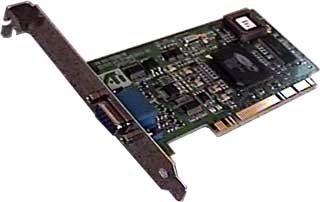
Graphics adapters are essentially little computers themselves. While they don't possess all the capabilities of a PC, they do have a specialized processor and memory. They are devoted to performing calculations and the more they can do, the better the speed and quality of the graphic output.
Most software is not very demanding of the graphics card. Text and low resolution images are rendered well by all graphics cards. Where the high performance cards stand out is in rendering graphics for fast action games and image editing programs like Adobe Illustrator and Photoshop.
Graphics cards are rated by their output resolution and computational speed. The speed is a factor of the chipset used, amount of memory and memory speed. When choosing a card considerations will include the slot your PC will support, the demands you will place on the card, the display resolution, the price and in some cases whether the card will physically fit in your PC.


